A journey of struggle and building across generations
Historical overview
Milestones in the community’s history
Prepared by: Peter Fouad HabashGeneral overview
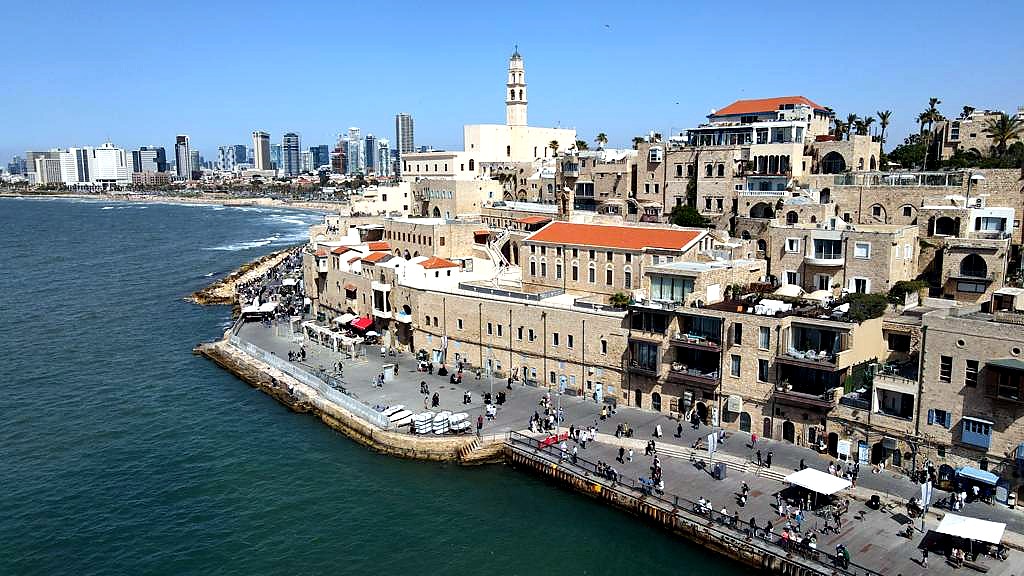
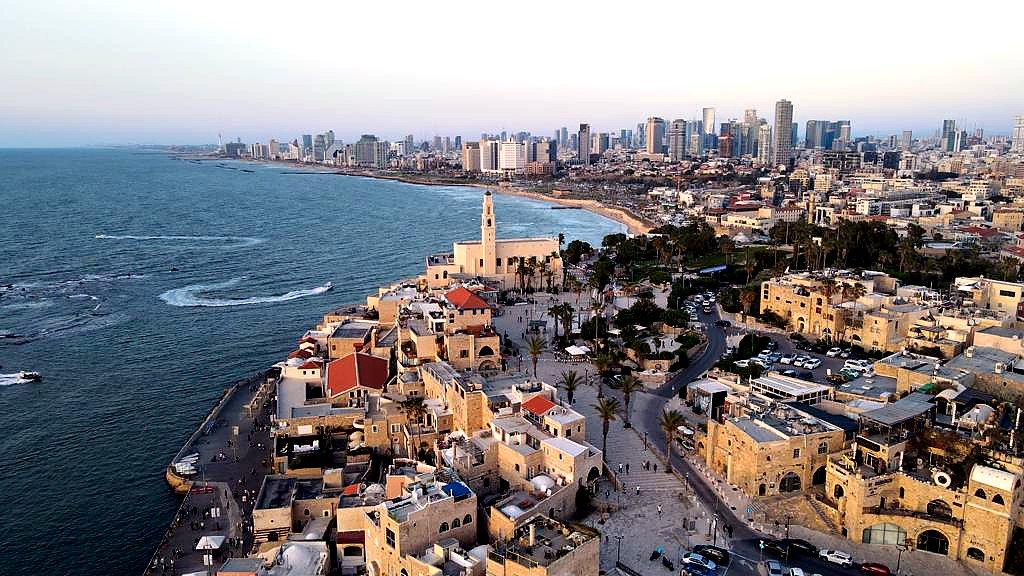
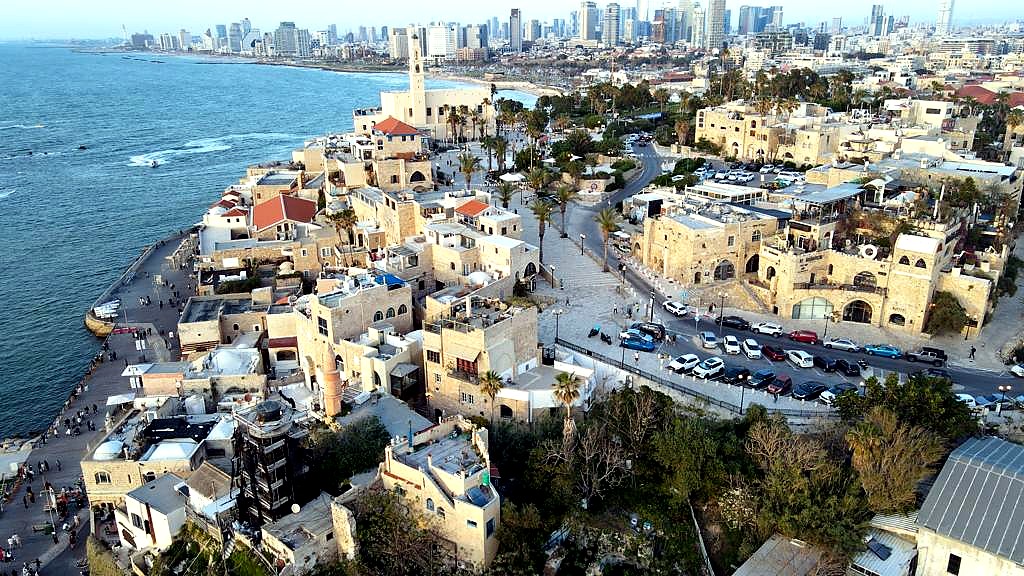
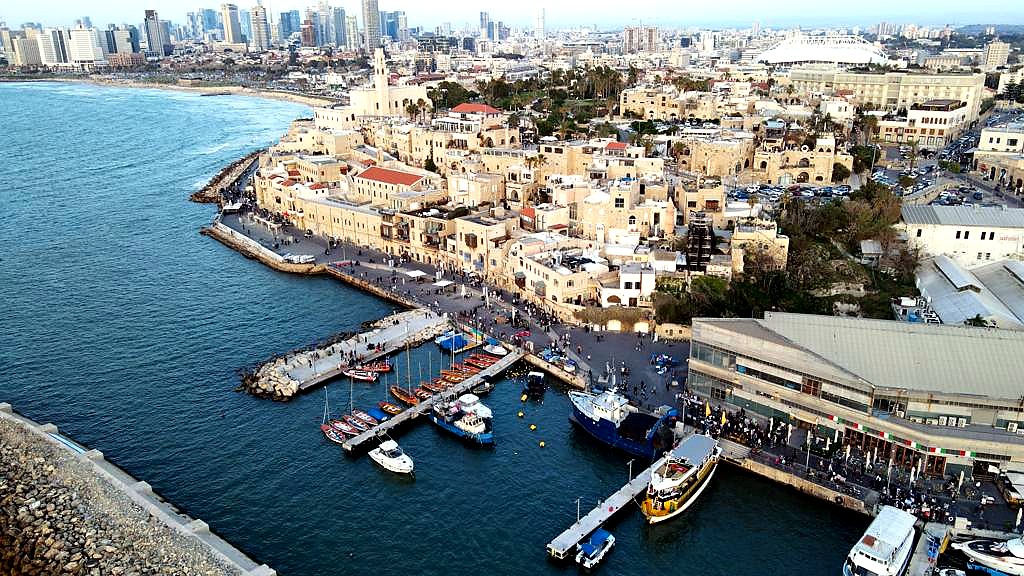
The Arab Orthodox community in Jaffa is one of the foremost national groups that has played an important role in preserving Arab and religious identity in Palestine. Its journey has spanned more than a century, filled with social, national, and institutional struggle.
Founding of the Orthodox Philanthropic Society
The “Orthodox Philanthropic Society in Jaffa” was founded, with the motto: “Blessed are the merciful, for they shall receive mercy” (Matthew 8:5).
Founding of St. George’s Society
The “St. George’s Orthodox Society in Jaffa” was founded, with the motto: “I desire mercy, not sacrifice” (Matthew 13:9). Its bylaws were printed in Egypt in 1896 at the expense of Salim Pasha Hamawi, owner and editor of the newspaper Al-Falah.
The community’s uprising
An uprising of the Arab Orthodox community in Palestine against the Patriarchate, headed by a Greek patriarch and clergy, in which the Arab community demanded rights the Patriarchate had denied by seizing the community’s endowments. The Arab element rebelled, and the Arab Orthodox community in Jaffa was among those at the forefront of this uprising. We mention, for example, the “Orthodox National Union Society in Jaffa.”
Founding of the Ladies’ Society
The “Orthodox Ladies’ Society for the Support of Orphan Girls” was founded, with the motto: “I will not leave you as orphans; I will come to you” (John 14:18).
The Turkish decree of 1910
The Turkish decree of 1910 was issued on 25/5/1910. Through it the Turkish government intervened to resolve the dispute between the Patriarchate and the Arab community, and ordered the establishment of a mixed council of laypeople and clergy to administer Orthodox endowments, on the basis of Article 111 of the Basic Law of 1876.
Establishment of the Orthodox National School
Establishment of the “Orthodox National School” by the Orthodox Philanthropic Society, with the motto: “Character, health, knowledge.”
Administrative board of the Philanthropic Society (1922)
The administrative board of the Orthodox Philanthropic Society in Jaffa was composed of: President — Nasri al-Fayani; Vice President — Hanna Nicola al-Iss; Treasurer — Tawfiq Zarifa; Recording Secretary — Sfin Hanna al-Khoury. Members: George Mina Ghandour, Farid Salim Azer, Iskandar Salim, Suleiman Yousef al-Qasir, Elias Qustandi Bartaqesh, Musa al-Hakim, Wahba Tamari.
Establishment of the Girls’ School
Establishment of the “Orthodox Girls’ School” by the Orthodox Ladies’ Society for the Support of Orphan Girls.
Founding of the Orthodox Club and its administrative board
Founding of the “Orthodox Club in Jaffa,” with the motto: “Through knowledge and unity.” The club’s bylaws were approved on 27 November 1943.
In the same year, the administrative board of the Orthodox Philanthropic Society in Jaffa was composed of: President — Masad al-Sayegh; Vice President — Hanna al-Iss; Recording Secretary — Farid Azer; Treasurer — Wahba Tamari; Accountant — Elias al-Sufari. Members: Bishara Aleko, Nassif Habib, Suleiman al-Qasir, George Bahu, Farid Zarifa, Wahba al-Nahas, Bandali Halabi.
The Bertram–Young Commission
The British Mandate government appointed a commission of inquiry known as the “Bertram–Young Commission” to examine the dispute between the Greek Orthodox Patriarchate of Jerusalem and the Arab Orthodox community. The commission completed its work on 26/6/1925 and affirmed that the Arab community has rights in the Patriarchate and its endowments (awqaf). It also determined that Orthodox endowments are not the personal property of the Patriarch or the Brotherhood of the Holy Sepulchre, and that the national community has an interest in how that waqf is administered. It further noted that the Arab Orthodox community in Jaffa has a church of its own, well administered by the Orthodox Philanthropic Society and the St. George Orthodox Society in Jaffa.
Ladies’ Society report
According to a report of the Orthodox Ladies’ Society for the Support of Orphan Girls, the Society held three shops; two were built at its expense, and the third was purchased from St. George’s Orthodox Society in Jaffa. Most of the income from these shops was spent on the Girls’ School.
Building boom
A boom in building shops, dwellings, and a club beside Al-Khader Church. Intensive construction lasted until 1938, and building continued until 1946.
The second Orthodox Congress
The British “Bertram–Young” commission of inquiry (1925), mandated by the Mandate government to investigate disputes between the Orthodox Patriarchate of Jerusalem and the Arab Orthodox community, recommended a draft new Patriarchate law to replace the Ottoman law then in force, and called for removing the negative effects that had surrounded Arab Orthodox Christians. The new law would give Arab Orthodox Christians greater participation in administration, a two-thirds majority in the “Mixed Council,” allow Arab Orthodox Christians to join the Brotherhood of the Holy Sepulchre, reform the ecclesiastical courts, and amend the laws for electing the Patriarch.
The Greeks rejected all of the commission’s recommendations, including the law, and claimed that there was a status quo that could not be changed at all, and that the Mandate government had no right to impose any new law.
To secure these rights and demands, the Second Arab Orthodox Congress was held in Jaffa in 1931, with delegates representing all the towns and villages of Palestine and Jordan. An executive committee was elected under Yaacoub Farraj. The congress reaffirmed all rights and demands issued by the First Arab Orthodox Congress in Haifa, and added: since electing an Arab Patriarch cannot be achieved at present, we must strive for it in the future; submit a strongly worded protest to the British High Commissioner against the overt intervention of the Greek consul in Patriarchate and Holy Places affairs; and boycott the Patriarchal election and withhold recognition of any Patriarch until the flock has obtained its full rights.
Tabu land registration
The Orthodox Philanthropic Society opened a file at the Land Registry (Tabu) to register one of the shops adjoining the church.
The Patriarchate Law of 1941
Issuance of the Orthodox Patriarchate Law of 1941, reforming the Patriarchate’s system and administration, under which the Arab Orthodox community in Palestine and Jordan would obtain better rights and standing than under the Turkish decree of 1910. Israel’s Supreme Court held that the law was never brought into force because the High Commissioner did not proclaim it in the Palestine Gazette.
The fall of Jaffa
The fall of Jaffa on 15/5/1948, when its mayor was Dr. Yousef Haikal. The Israeli army took control of the Orthodox National School, which had been a headquarters of the Rescue Army during the war, and from that time this great institution was extinguished. The church, however, remained in the hands of St. George’s Society and the Orthodox Philanthropic Society, which formed a unified administrative board with the Christian Workers’ Society.
First elections after the Nakba
On 13–14 May 1950, the first elections for the administrative board after the Nakba were held in the courtyard of St. George’s Church “Al-Khader,” with 130 voters from the community, men and women. At the first meeting of the new board, the following were elected: Issa Sawabini — President; Qusta al-Han — Vice President; Yacoub Hanania — Secretary; Tawfiq Hinnawi — Treasurer. Members: Farah Marqus, Asbir al-Qaari, Michel Kayyal, George Nassar, Qusta Khanouf.
Re-registration of the societies
The Orthodox Philanthropic Society, the St. George Society, the Ladies’ Society, and the Christian Workers’ Society were re-registered with the Registrar of Associations after the societies were scattered by the war. The remaining community members in Jaffa were brought together, and the societies began to recover their strength and standing. The three societies’ stores were then released from the Custodian of Absentee Property (the Government of Israel), and the church remained in the societies’ hands. With the three societies reconstituted and their properties freed, a new foundation was laid to continue the national Orthodox path.
The unified administrative board
The unified administrative board of the Orthodox Philanthropic Society and St. George’s Society was formed on 11/5/1953 of: President — Yacoub Hanania. Members: Michel Kayyal, Jamil Nursi, Yousef Madbak, George Dick, Elias Hinnawi, Khamis Arbid, Qusta Han, Elia Bahu.
Patriarchate Law of 1958
Issuance of the “Greek Orthodox Patriarchate of Jerusalem Law of 1958” in the Hashemite Kingdom of Jordan. This law is unjust to the Arab Orthodox community and shameful for the Hashemite Kingdom of Jordan, as it curtailed the rights of Orthodox citizens of the Kingdom and granted greater rights to the foreign Greek element — even more than British Mandate Law of 1941 had granted them.
Founding of the scout troop
Founding of the “Orthodox Club Scout Troop in Jaffa.” Our troop followed a path of success; by 2006 its membership exceeded 400, and it is regarded as one of the most orderly and active troops in the country.
Restoration of the church
ترميم خارجي لSt. George Church الأرثوذكسية في Jaffa من قبل the Orthodox Philanthropic Society وthe St. George Society.
The Patriarchate’s lawsuit
A lawsuit by the Orthodox Patriarchate against St. George’s Society and the Orthodox Philanthropic Society, claiming that the societies had invaded the sanctity of the church and seized it.
Yacoub Hanania honorary president
Election of brother “Yacoub George Hanania” as honorary president of the Orthodox Philanthropic Society and of St. George’s Orthodox Society. He headed the societies from 1951 until 1987.
The Sawabini family’s donation
The “Sawabini family” donated the Orthodox Club building to the Orthodox Philanthropic Society.
Eviction claim dismissed
The Magistrate’s Court dismissed the Patriarchate’s claim to evict the societies from St. George’s Church (Al-Khader), and the Patriarchate appealed to the District Court.
Opening of the Arab School
Opening of the Arab Orthodox School in the elementary-school building that had existed before 1948. The building was vacated after the societies paid the occupants key money (“khulu rijl”), and it was restored to make it suitable as a school in its early stages.
Restoration of the Orthodox Club
The Orthodox Club building was restored at a cost of 1.2 million shekels.
Appeal dismissed and Community Council founded
The District Court dismissed the Patriarchate’s appeal seeking to evict the societies from St. George’s Church (Al-Khader), and the Patriarchate applied to the Supreme Court for a second appeal.
In the same year, a first attempt was made to establish the “Orthodox Community Council in Jaffa.”
Passing of Yacoub George Hanania
Passing of Mr. Yacoub George Hanania (born 1924) on 18/4/2007, honorary president of the Orthodox Philanthropic Society and St. George’s Society.
Registration of properties
The stores and houses around the church land were registered on 5 February 2008, after earlier generations had failed to register them. In 1991 there was an attempt to register these properties; the Patriarchate objected and claimed they all belonged to it. We did not give up. We tried again and succeeded. That success was the fruit of a 57-year struggle: on 5 February 2008 we registered all the stores and houses around the church in the name of the Orthodox Philanthropic Society, on an area estimated at 2,500 m².
Church theft and death of Yousef George Dick
Desecration of holy places and the theft of St. George’s Church on 15/4/2009, and the looting of 30 icons donated by members of the community when the church was built.
In the same year, the death of Mr. Yousef George Dick, president of the Orthodox Congress in the country, on 24/11/2009. He served as president of the Orthodox Philanthropic Society in Jaffa and of St. George’s Society and as head of the Orthodox Club Scout Troop, and he led the Arab Orthodox community for many years, struggling for its advancement and leading the defense of Orthodox endowments.
Agreement with the Patriarchate
On 7/7/2010, the dispute between the Orthodox Philanthropic Society and St. George’s Society and the Orthodox Patriarchate of Jerusalem over ownership of St. George’s Church in Jaffa and the surrounding land ended with the signing of an agreement settling both parties’ rights, after the Supreme Court appointed a retired Supreme Court justice as mediator. The Supreme Court approved the agreement on 15/7/2010 in decision no. 8756/99.
Martyrdom of Gabi Aqdis
On 6/1/2011, Gabi Anis Aqdis, president of the Orthodox Philanthropic Society and St. George’s Society in Jaffa, was martyred; he was killed on Christmas Eve while defending the property of the Arab Orthodox community in Jaffa.
Opening of the community hall
The Society has long sought a community hall to serve members in times of joy and mourning. After the tenant who had occupied the Society’s shops since the 1948 war was removed, the board allocated three shops for the hall and appointed a committee chaired by Society president Victor Zakkak and vice-president Tawfiq Nicola Hinnawi. After more than two years of work, the hall opened at a celebration for community members on Christmas 2022. In honour of the former president who was killed defending community property, the Society named it “Al-Khader Hall – Gabi Anis Akdis,” at an official ceremony on 20/4/2024.
Recovery of a property
The Society’s leadership did not stop working to recover all of its properties. In June 2025 the board decided to recover a house adjoining the church land, paying 3.6 million shekels to the protected tenant.
Conclusion
Thus the history of the Arab Orthodox community in Jaffa is a story of steadfastness and determination, in which successive generations embodied attachment to rights and identity, and collective work to preserve the religious and national heritage, despite all the political and historical challenges it has faced.